

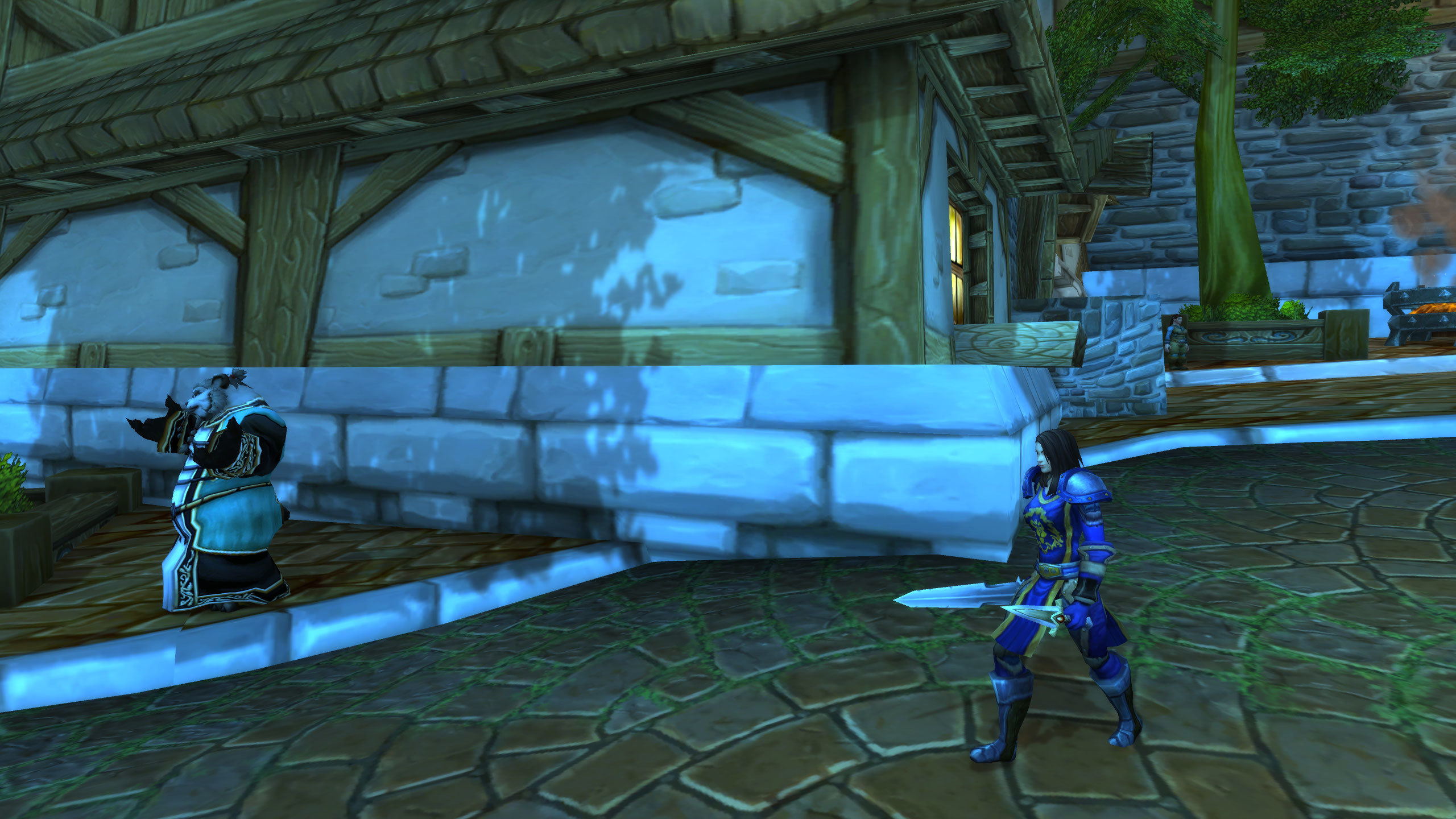
In World of Warcraft (WoW), while new zones and grand adventures drive expansion content, some of the most enduring elements are the capital cities. Stormwind stands as a prime example of a city that feels like home—a design that is inviting, functional, and instantly recognizable. These are the urban spaces that define a faction, evoke comfort, and make players eager to return. This guide delves into what makes great MMO cities memorable, breaking down the elements that make a city’s appearance feel like a true hub. It’s about understanding the visual language of community, identifying the design choices that convey immense purpose and familiarity, and appreciating the artistry that transforms a collection of buildings into a beloved home.
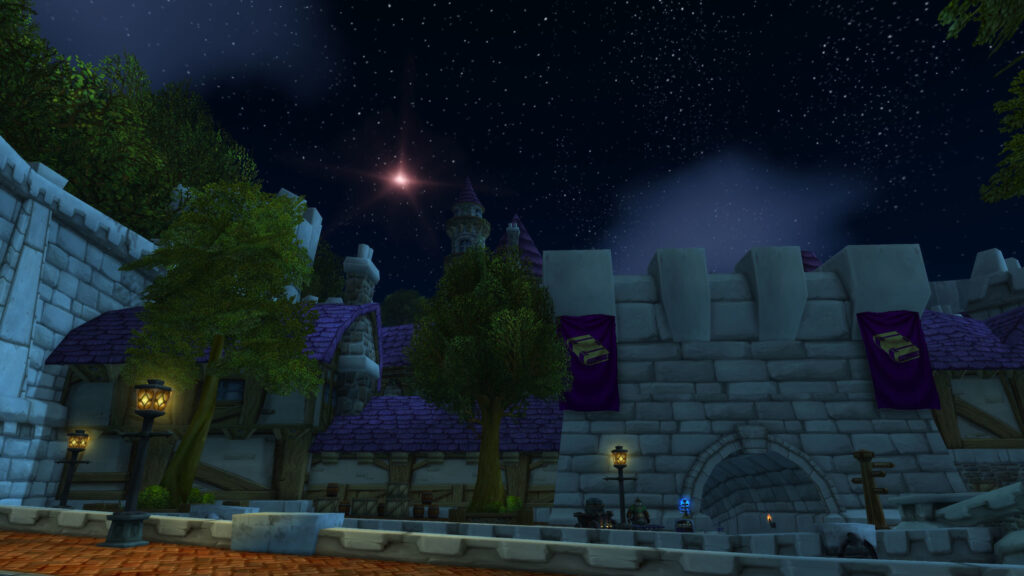
Functional Design and Iconic Layout
Stormwind remains the gold standard for city design because it feels like a functional part of the world rather than just a collection of shopkeepers and portals. Its architecture tells a story of a kingdom that has faced multiple sieges but continues to stand. From the grand, fortified gates that speak to a history of warfare, to the quiet, intellectual atmosphere of the Mage District, every section has a unique personality that makes the location feel alive.
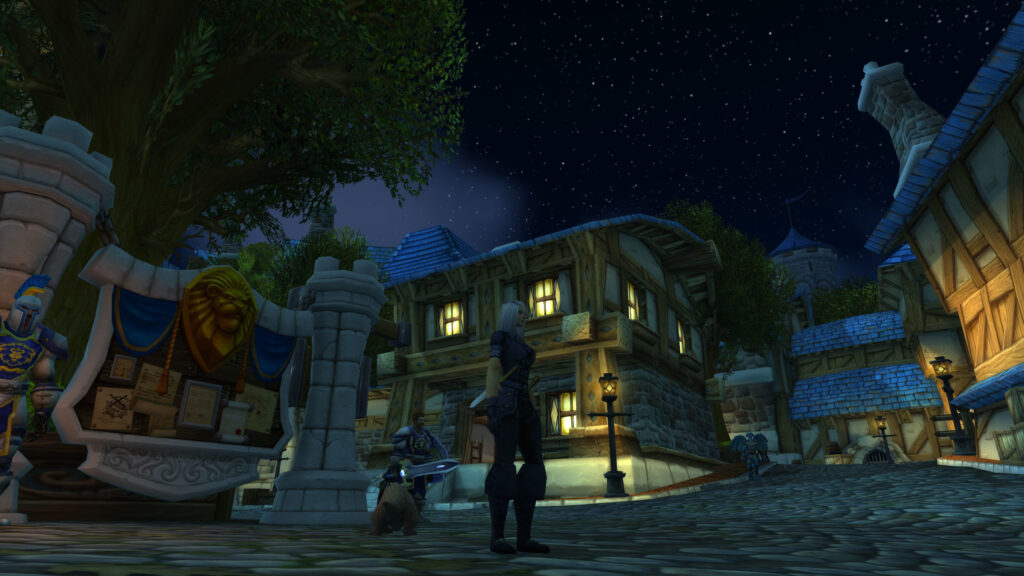
Navigation is the core of this success. Great cities use landmarks to guide the player, making the layout intuitive and easy to learn. A massive statue, a central canal, or a distinct spire serves as a visual anchor. When a player does not need to look at a map to find the auction house or the bank, they stop treating the city as a game menu and start treating it as a home. This sense of familiarity is what keeps players returning to a hub even when more efficient options exist elsewhere.
Community Hubs and Social Flow
A great capital also needs a sense of community flow. It requires open spaces where players naturally congregate—such as the areas near the bank or the main auction house. By concentrating these social hubs, the game encourages players to interact, display their hard-earned gear, and form groups. The city design dictates how the player base socializes, proving that good architecture is just as important to the gameplay loop as the actual combat systems. This organic social interaction fosters a feeling of belonging that truly makes a city feel like home.
| Feature | Function | Why Players Stay |
|---|---|---|
| Visual Landmarks | Helps players find their way without a map. | Creates a sense of place and comfort. |
| Functional Zones | Groups similar vendors together to save time. | Reduces friction in the player experience. |
| Cultural Identity | Uses statues and colors to reflect history. | Increases immersion in the faction. |
| Social Hubs | Open spaces near banks and trading points. | Encourages community and social interaction. |
More Than Just a City: A Shared Home
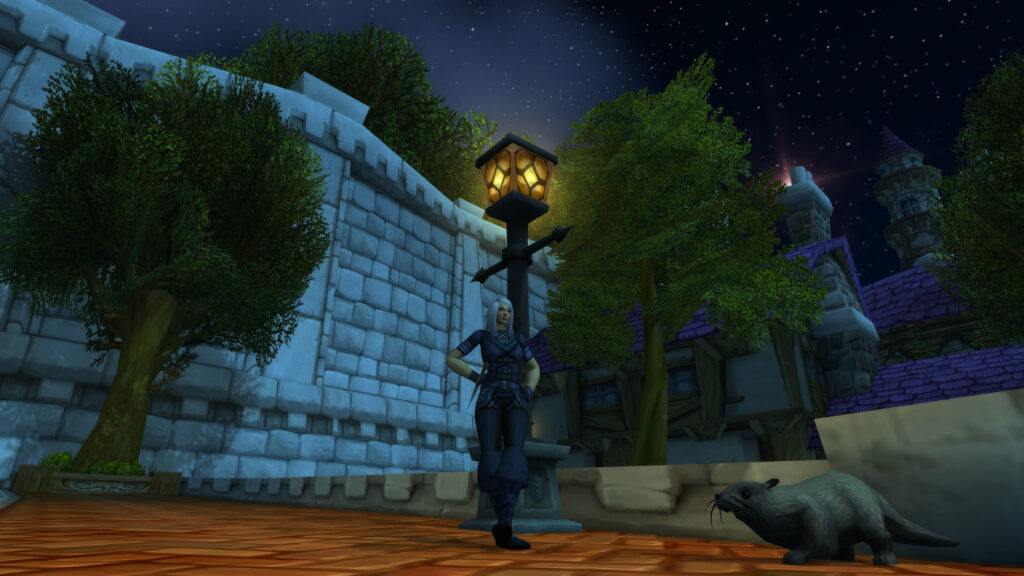
Ultimately, a truly memorable city becomes more than just a place to resupply; it becomes a shared experience. Players form connections, share stories, and build memories within its walls. This emotional investment is what elevates a well-designed city from a simple game asset to a cherished part of the World of Warcraft experience, making players feel a genuine sense of ownership and belonging.