
Field notes from a player since 2004
Raids, gold and the quiet corners of Azeroth.
Practical World of Warcraft guides on raid preparation, the Auction House, classes and collecting, with a few city walks in between.
-

Blackfathom Deeps 10-Man Raid Guide: How to Easily PUG the First SoD Raid Without Wiping
The Blackfathom Deeps raid, part of the Shadowlands expansion, offers a thrilling challenge that can be tackled by PUG groups. This guide is designed to equip you with…
Latest guides
Walkthroughs, class notes and gold routines from the archive.
-

Gear Up Your Alternate Class: How WoW Venomous Abyss Boosting Prepares Your Secondary Characters for Mythic Progression
The Challenge of Maintaining a Secondary Raid Character Transitioning to a new class in the current expansion is a rewarding…
-

The Way of the Crane: Mastering the Complex, High-Mobility Playstyle of the Windwalker Monk
The Windwalker Monk in World of Warcraft embodies a unique blend of agility, speed, and precision, making it one of…
-

The Heroic to Mythic Leap: How to Prepare Your Character for True Raid Progression
Transitioning from Heroic to Mythic raids in World of Warcraft represents a significant leap in both difficulty and complexity. While…
-
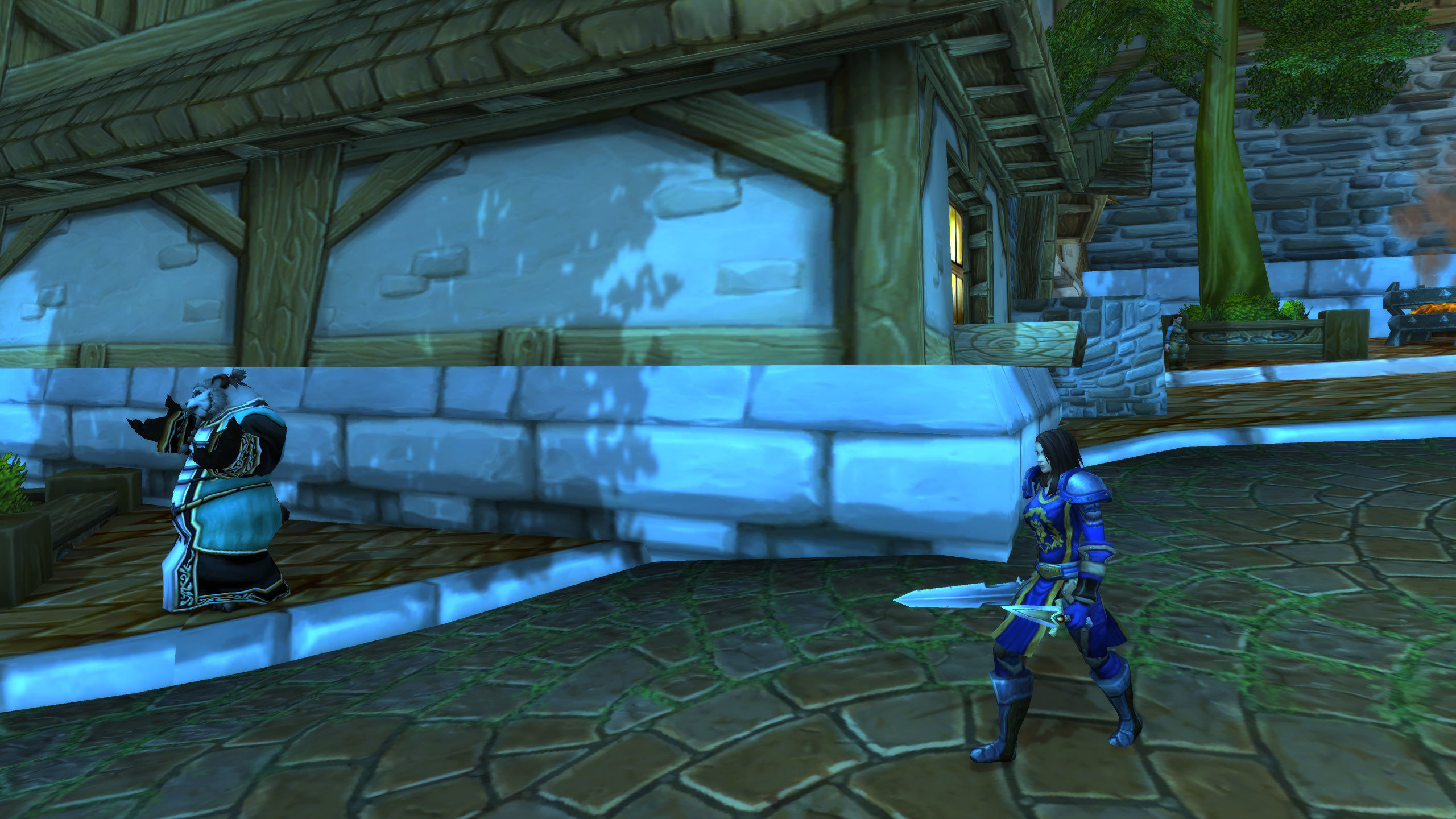
Why Stormwind Still Feels Like Home: A Look at Memorable MMO Cities
In World of Warcraft (WoW), while new zones and grand adventures drive expansion content, some of the most enduring elements…
-

How to Maximize Your WoW TBC Classic Gold for Gear and Upgrades
Introduction In World of Warcraft: The Burning Crusade (TBC) Classic, gold is essential for almost every aspect of the game.…
-
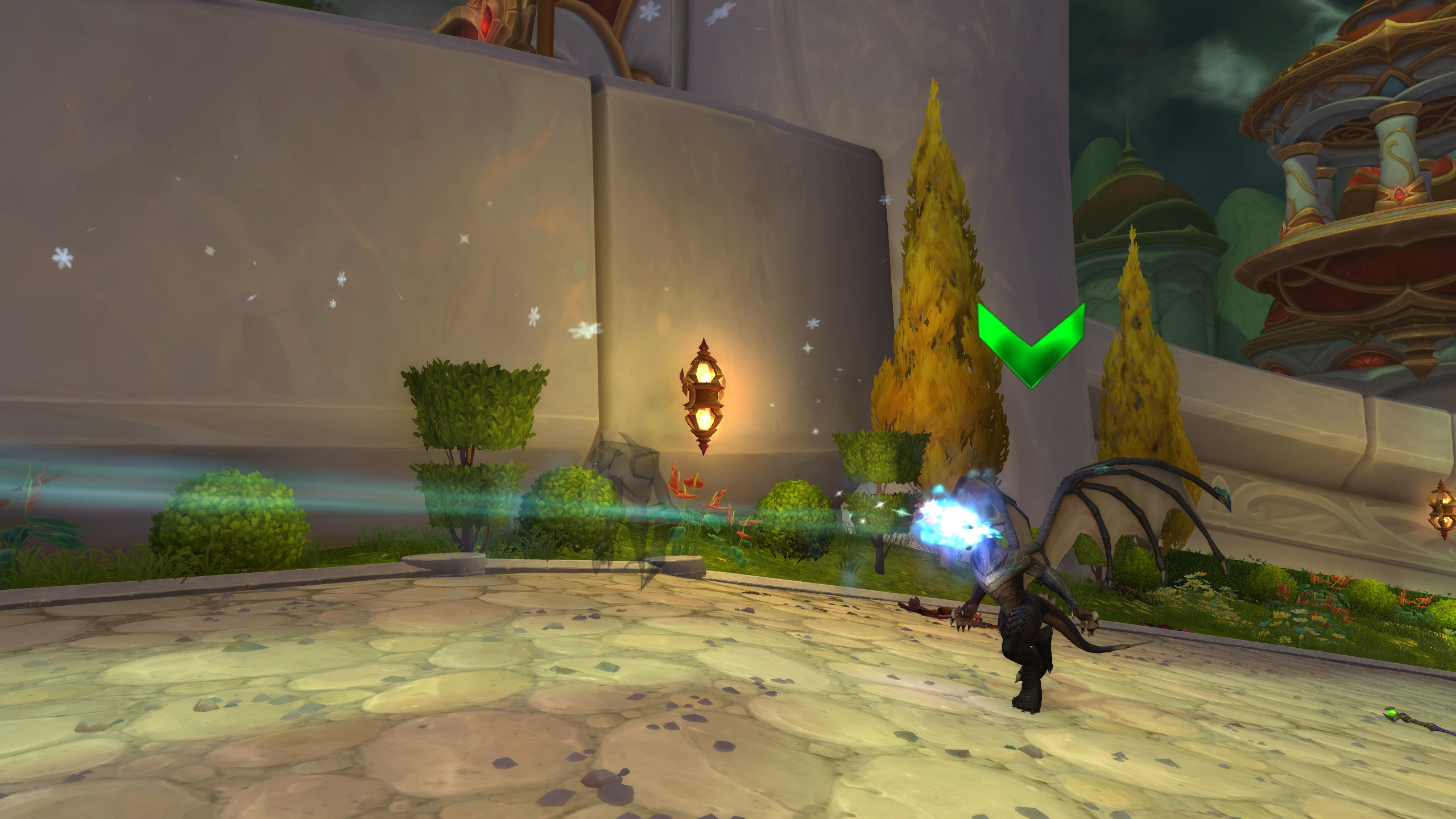
World of Warcraft Mythic Plus Boss Guide: How to Read Mechanics Mid-Fight
The transition from “Trash Packs” to “Boss Encounters” in Mythic Plus is a shift from Chaos Management to Precision Scripting.…
Pick a corner of the game
Browse by subject
Four themes keep coming back in these notes. Start with the one that matches tonight’s plans.

Raids and dungeons
Boss mechanics, group roles and preparation notes.
Gold and the Auction House
Ledgers, selling habits and profession routines.
Pets and mounts
Collecting tips and the small joys of a full stable.

Lore and characters
Who the faces of the story are and why they matter.
From the ledger
A Month in the Gold Ledger: How I Keep My Coin Moving
Last autumn I did something I had avoided for years: I kept a ledger. Not a spreadsheet full of formulas, just a notebook page per week with two columns, coin in and coin out. I wanted to know where my gold actually went, because every time a raid night ended with a repair bill and an empty bag of flasks, I could not have told you what I had earned that week or how.
Four weeks of notes later, the picture was clearer than I expected. This is the case study I wish I had read before I started, written for anyone who plays a few evenings a week and wants the money side of the game to stay quiet in the background.
Week one: counting what already leaves
The first page was humbling. Nothing exotic drained my gold. It was the ordinary things: durability repairs after progression pulls, potions, a stack of food for the whole group, a gem swap after a gear upgrade, and the occasional enchant for an item I replaced two days later. None of it felt expensive when it happened, yet it added up to more than I had earned from questing in the same stretch.
So the rule for week one was simply to write every spend down. No judging, no changes. A notebook that only records is surprisingly calming, and by Sunday I could see which items I had been buying out of habit rather than need.
Week two: turning the bags into a shop
In week two I looked at what I was already carrying. Old crafting reagents, spare armour from dungeon runs, battle pets I had no room for. I sorted everything into three piles: keep for my own crafting, sell on the Auction House, and vendor. The middle pile was the surprise. Cloth, herbs and a couple of out-of-fashion transmog pieces sold within a day when I posted them in small stacks near the end of the evening, when more people were browsing.
My second habit came from a guildmate who farms for a living: check what sells, not what you find interesting. I love gathering in Pandaria because the zones are beautiful, but the Auction House was far happier to buy herbs from the expansion currently being raided. Gold follows attention, and attention follows the newest content.
Week three: choosing which grind is worth my evening
By week three I had a feel for my weekly income and I could finally ask the real question. Is the next hour better spent farming, or running the content I logged in for? It depends on the night. When I have three hours and a raid team waiting, farming first is a mistake. When I have forty minutes and a fresh character that needs reagents, a farming loop is perfect.
There is also a middle route that I stopped feeling awkward about. Some players, especially those with a full-time job and a short evening window, choose to buy WoW Gold as a starting fund for a new profession or alt, and then keep their own routine going from there. I see it as one more tool on the bench next to the Auction House and a good farming route, and the sensible way to use any of them is to plan the spend before the session starts rather than after.
Week four: the small routine that stuck
The last page of the notebook became a checklist I still use. It fits in four lines.
- Before logging off, post the day’s spare materials in small stacks.
- Once a week, scan the Auction House for one profession item that is undervalued and craft a few of it.
- Keep a fixed reserve for repairs and consumables so a wipe never forces a choice.
- Plan the next big purchase, whether a mount, a recipe or a gear piece, and note how many evenings of routine it represents.
The reserve line mattered most. Once repairs were covered in advance, progression nights felt lighter, and I stopped counting copper in the middle of a boss fight.
What I would tell a returning player
If you are coming back after a long break, resist the urge to chase every system at once. Pick one profession, learn what it sells for on your realm, and give yourself a month before judging the result. Pair that with a plain notebook and you will know more about your own economy than most players do after years of guessing.
If you are preparing for your first raid tier, start with the raid guide and then come back to the money questions. Gold is a means to an evening well spent in Azeroth, and the ledger simply keeps it honest.